Importers & wholesalers
Build a repeatable dust-bag range around verified constructions, dimensions and pack quantities.
 Request Quote
B2B VACUUM DUST BAG SOURCING
Discuss unbranded paper, non-woven and multi-layer vacuum cleaner dust bags with XINFILT. Start with dimensions, connector details, a drawing or a physical sample—not a third-party brand name.
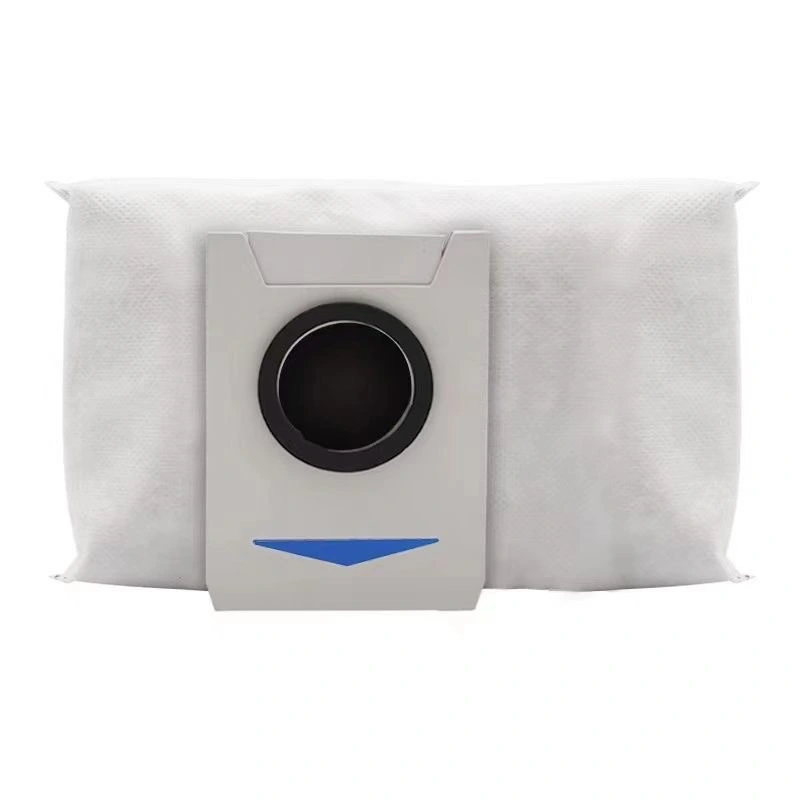
Bag fit, capacity, filtration performance and service-life statements are confirmed only against the agreed construction, application and evidence requirements.
REAL PRODUCT DETAILS
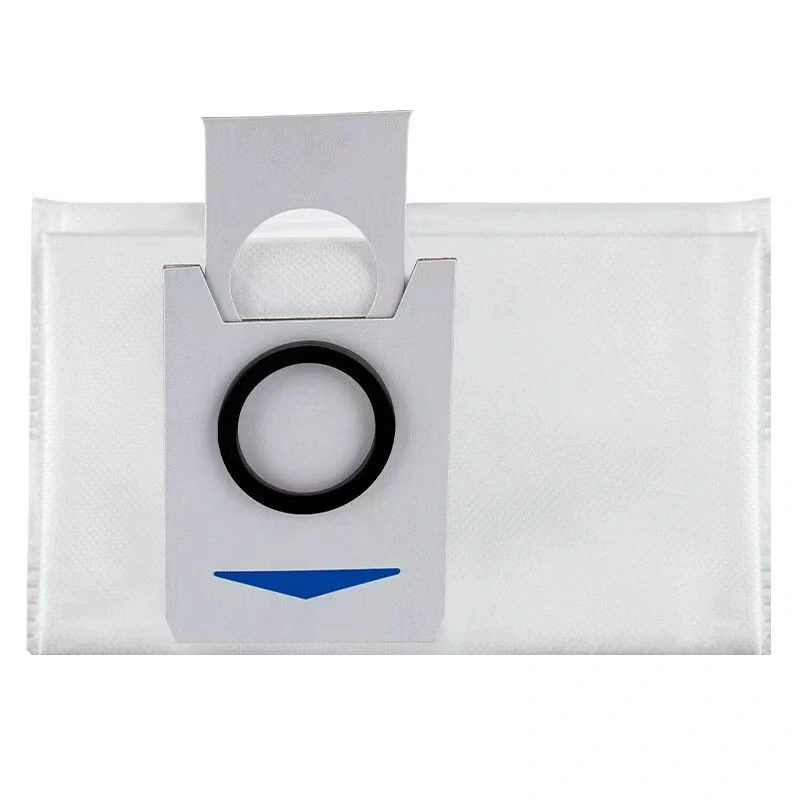
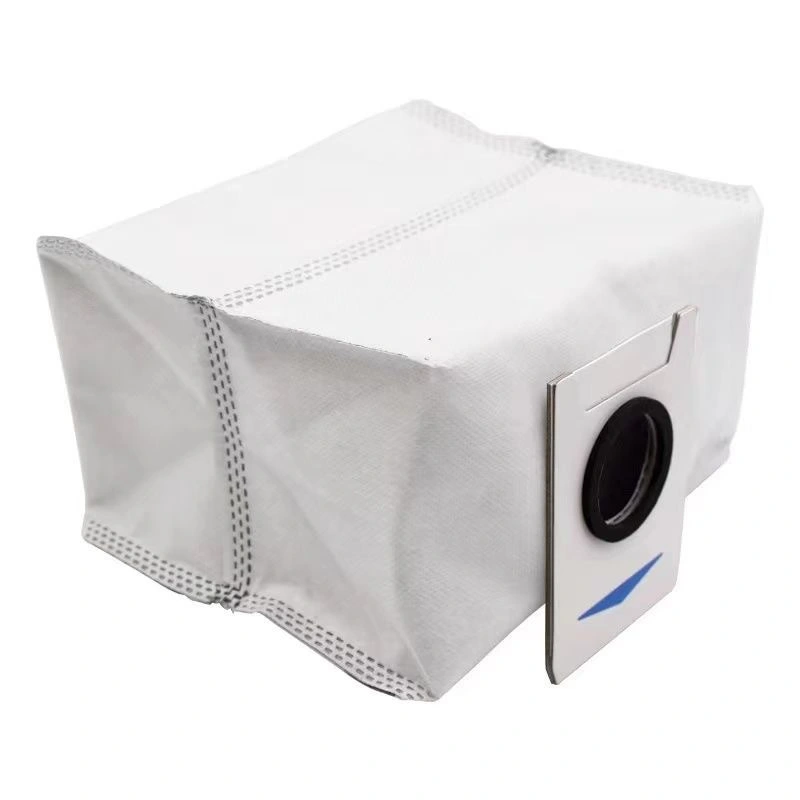
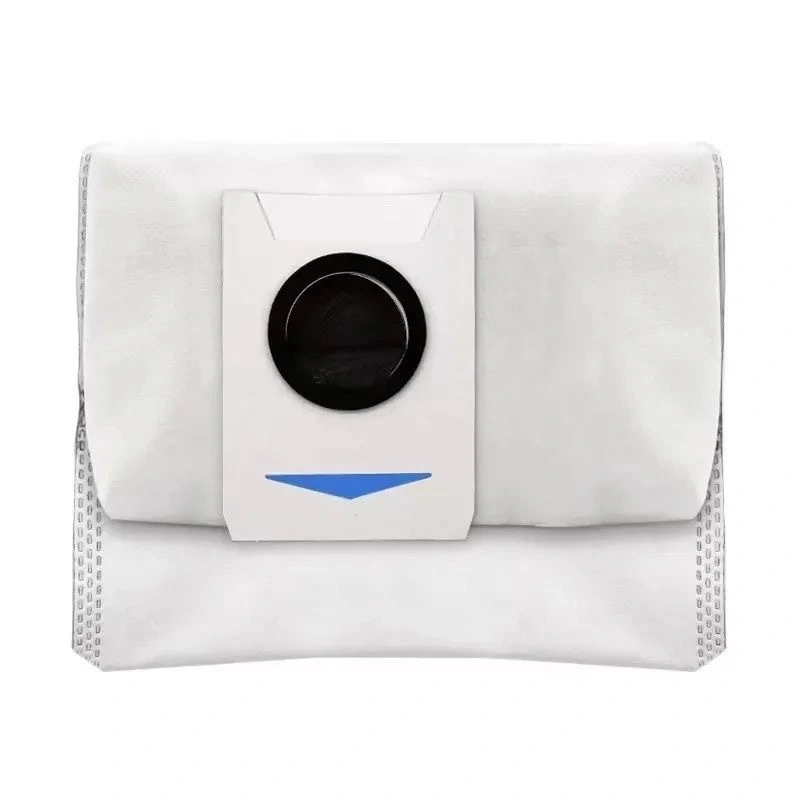
These company product images show the non-woven body, connector plate, sealing ring, inlet opening and folded bag geometry used during fit and construction review.
WHO THIS PAGE IS FOR
This page organizes the product and commercial inputs a B2B buyer needs to define one real vacuum cleaner dust bag project.
Build a repeatable dust-bag range around verified constructions, dimensions and pack quantities.
Review generic dust bags for domestic, canister and commercial vacuum applications.
Align the bag, connector, pack count, carton and label requirements before quotation.
Start from a drawing, physical sample, finished dimensions or an existing bag specification.
DUST BAG TYPES
Material is only one part of the specification. Finished size, connector geometry, closure, seam construction and pack configuration also affect feasibility.
TYPE 01
Paper constructions can be reviewed for standard domestic and light commercial applications where cost, size and connector fit are the main project inputs.
TYPE 02
Synthetic non-woven constructions can be discussed where the project requires a flexible bag body and a different material structure from paper.
TYPE 03
Composite constructions begin with the required layer sequence, finished capacity, airflow considerations and the evidence expected for the target market.
BAG-BY-BAG REVIEW
A vacuum cleaner dust bag is not defined by material alone. The usable specification combines the bag body, connector, inlet position, closure, finished size and packaging.
Send a dust bag briefRFQ INPUTS
A complete drawing is helpful, but it is not required on day one. Begin with the product information you already have.
PROJECT FLOW
Each step reduces ambiguity before connector development, sampling, packaging or bulk-order decisions are made.
Share finished dimensions, photos, a drawing, an existing specification or a physical sample.
We align material, layers, seams, connector, closure, packaging and expected quantity.
Sample feasibility, terms and the approval basis are confirmed for the actual project.
Once the specification is clear, we prepare the relevant commercial next step.
PRODUCT & PACKAGING QUALITY
The approved dust bag specification controls the material, connector, seams, closure, dimensions and pack configuration used for production.
Finished size, inlet position, connector geometry and installed clearance.
Bag material, layer sequence, seams, bonding and closure requirements.
Any filtration or strength statement is tied to agreed evidence and test requirements.
Pack count, label, carton, insert and market-specific presentation requirements.
BUYER QUESTIONS
Fit, construction, packaging and delivery timing are confirmed against the actual project and recorded in writing.
The initial sourcing scope covers paper, non-woven and multi-layer bag constructions for clearly defined vacuum applications. Final feasibility depends on the finished size, material, connector, closure, packaging and order requirements.
A drawing, dimensional specification or physical sample can be used as the project basis. The quotation follows a feasibility review and sample approval rather than an assumption based only on a third-party model name.
No blanket compatibility claim is made. Fit should be confirmed against approved dimensions, connector geometry, installation clearance and, where appropriate, a buyer-supplied sample or housing.
No. A material name or number of layers does not by itself prove a filtration rating. Any efficiency or performance statement must be tied to the agreed construction and supporting evidence for that project.
Connector material, inlet geometry, tabs and closure features can be reviewed where the construction and commercial scope allow them. Tooling or development requirements are confirmed before sampling.
Yes. Pack count, label, carton and insert requirements can be reviewed after the bag construction and order basis have been defined.
MOQ depends on the bag material, connector, tooling, pack configuration and production setup. Send the expected trial and repeat quantities for a project-specific response.
Send finished dimensions, inlet position and size, connector photos or drawings, bag material, closure details, target market, estimated quantity, pack count and any testing or documentation requirements.
START WITH THE DUST BAG BASIS
Tell us what you know today. XINFILT will use that information to frame the product, sample and commercial review.